
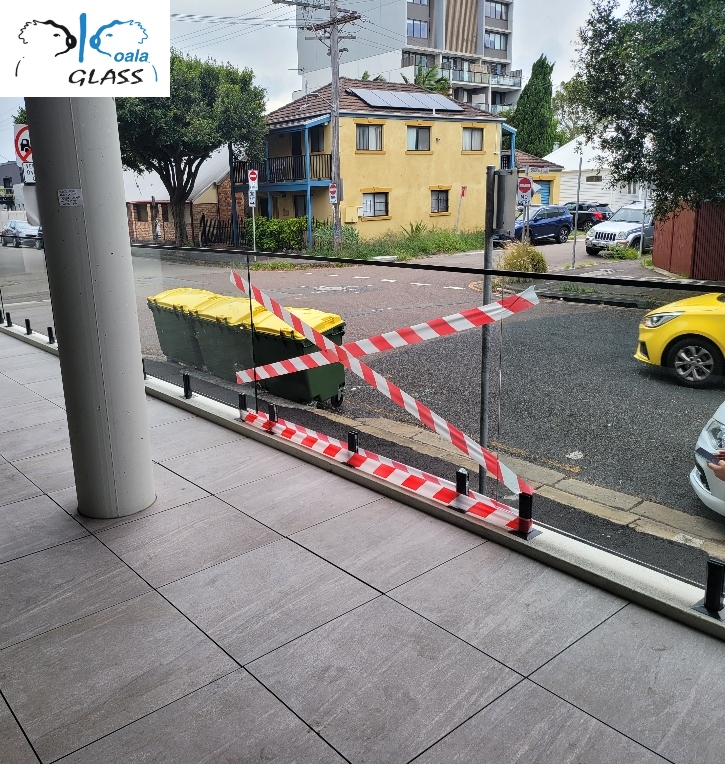
What Type of Glass Is Used for Balustrades?
Glass balustrades are a popular choice for balconies, stairways, decks and other areas where safety needs to work alongside a clean architectural finish. Choosing the right glass is an important part of the design. The glass needs to suit the application, support system and surrounding structure rather than simply looking good.
At Koala Glass, we approach balustrade projects by considering the property, intended use and glazing requirements before recommending a suitable solution. Our team provides glazing solutions for Newcastle properties across residential and commercial settings. The right specification can depend on the glass type, configuration, dimensions, fixing method and installation location.
Safety Glass Requirements for Balustrades
Balustrade glass is not ordinary window glass. Areas such as balconies, stairs and elevated platforms can expose glazing to human impact, making safety an important consideration when selecting the glass.
Australian requirements cover the selection and installation of glass used in buildings. NSW Government guidance also notes that balconies, decks, balustrades and railings need to comply with the Building Code of Australia and relevant Australian Standards.
Safety glazing can include toughened glass and laminated glass. The appropriate option depends on the particular design and performance requirements. Glass selection should happen before the final balustrade design is locked in so the glass, fittings and supporting structure work together.
Toughened Glass for Strength and Impact Resistance
Toughened glass is manufactured through a controlled heating and cooling process. This treatment makes it considerably stronger than ordinary annealed glass.
One important feature is the way toughened glass breaks. If damaged sufficiently to fail, it generally breaks into small granular pieces rather than large sharp shards. NSW Government guidance identifies this characteristic while also noting that toughened glass can still break if its surface is damaged.
Toughened glass can suit a range of balustrade designs where its properties align with the application. The required dimensions, support arrangement, exposure and design loads still need to be considered before specifying the glass.
Laminated Glass for Retained Glazing
Laminated glass is made by combining glass layers with an interlayer. The interlayer helps hold the glass together if the glazing is broken.
This retained-glass characteristic can be relevant where maintaining a barrier after breakage is an important consideration. The final suitability depends on the complete balustrade design and applicable requirements.
Laminated safety glass is recognised as a form of safety glazing alongside toughened glass. It offers a different performance profile and should not simply be treated as a thicker version of the same product.
Comparing Toughened and Laminated Balustrade Glass
Toughened and laminated glass can both be used in balustrade applications, but they behave differently when damaged.
Toughened glass is known for its strength and granular breakage pattern. Laminated glass uses an interlayer that helps retain the broken glass within the panel.
The choice should be based on the design rather than appearance alone. The support system, panel dimensions, location and required performance all matter. Some projects may also use laminated toughened configurations, which combine treated glass with an interlayer.
There is no single glass type that automatically suits every balcony, stairway or commercial balustrade.
Choosing the Right Glass Thickness for a Balustrade
Glass thickness is one of the most common questions about balustrades. Generalised advice can be misleading because thickness depends on more than panel height.
Glass configuration, dimensions, support arrangement, fixing method and design loads can all influence the specification. A framed system can behave differently from a frameless design, while point-fixed panels can have different requirements.
Our guide to balustrade glass thickness provides further information about the factors that need to be considered when determining an appropriate specification.
Rather than selecting a thickness based on a standard rule of thumb, we recommend having the complete application assessed before glass is ordered.
Balustrade Design and Glass Selection
The glass is only one component of a balustrade. The way it is supported can have a major effect on the overall design.
Framed, semi-frameless and frameless glass balustrades can use different hardware and fixing methods. A frameless appearance does not mean the glass is structurally independent. The panel still needs an appropriate support system that transfers loads safely into the structure.
Handrails, channels, posts, base fixings and other components also need to be considered. Their relationship with the glass can affect the performance and appearance of the finished balustrade.
Residential and Commercial Balustrade Applications
A balustrade inside a private residence may have different design considerations from one installed in a commercial building or shared residential property.
Balconies and external decks can also experience conditions that differ from internal stairways. Weather exposure, site conditions, traffic levels and how the area will be used can influence the project.
Existing structural conditions may also need to be considered during a residential renovation or property upgrade. NSW Government guidance confirms that glazing work includes installing glass in balustrades and that appropriate licensing requirements apply.
Preparing Glass for Balustrade Installation
Good balustrade outcomes start before the glass arrives on site. Measurements need to be accurate, the supporting structure needs to be suitable, and hardware and fixing details should be considered alongside the selected glass.
Glass needs to be manufactured to the required dimensions and configuration. Toughened glass cannot simply be cut after the toughening process, so accurate information is important before production.
Glass cut to size is particularly relevant to balustrade projects because panels need to be manufactured to the required measurements before installation. The location of posts, channels, brackets and other fixing points should also be considered before the glass is ordered.
Careful planning before manufacturing can help reduce the risk of incorrect measurements, unsuitable fittings or changes during installation.
Professional Glass Balustrade Installation
Even correctly specified glass needs to be installed appropriately.
The panels need to be handled correctly and positioned according to the design. Fixings, channels, brackets, handrails and other supporting components need to work together as part of the finished system.
Installation also needs to account for the existing structure. A balcony, staircase or deck may have different fixing requirements depending on its construction and condition.
Our glass balustrade installation service considers these details as part of the overall project. We look at how the panels, fittings and supporting structure work together rather than treating the glass as a standalone product.
Frequently Asked Questions
Is toughened glass suitable for a glass balustrade?
Toughened safety glass can be used in suitable balustrade applications. Its suitability depends on the design, dimensions, support system and applicable requirements.
Is laminated glass better than toughened glass for balustrades?
Neither is automatically better for every application. Laminated glass can retain broken glass through its interlayer, while toughened glass offers high strength and a granular breakage pattern. The appropriate choice depends on the complete balustrade design.
What thickness glass is used for balustrades?
There is no single thickness for every balustrade. Panel size, glass configuration, support method, location and design loads can all affect the specification.
Can glass balustrades be used outdoors?
Yes. Glass balustrades can be designed for outdoor applications such as balconies and decks. Suitable supporting components and a design that accounts for the property’s conditions are also important.
Are glass balustrades safe for homes?
A properly designed and installed glass balustrade can provide a safe barrier when the appropriate glass and supporting system are selected. Safety depends on the complete installation and applicable requirements.
Do commercial balustrades require different glass?
Commercial projects can involve different building conditions and usage requirements from residential properties. The glass specification should be assessed according to the building, location, design and applicable requirements.
Contact Koala Glass for Your Balustrade Project
Choosing balustrade glass involves more than selecting a thickness or finish. The glass needs to suit the design, support system and location.
Koala Glass can assist residential and commercial customers across Newcastle with glass balustrades and related glazing requirements. Our team can assess the project and help determine an appropriate glass solution based on the application.
If you are planning a new balcony, staircase, deck or other balustrade project, contact Koala Glass to discuss your glazing requirements.
Koala Glass
167 Maitland Road, Sandgate NSW 2304
Phone: 02 4968 3000
Email: sales@koalaglass.com.au

